Consensix Labs

Consensix Labs

Research

We publish research on practical applications of blockchain technology — ideas grounded in real problems and aimed at solutions that could realistically be built.

Some of our research produces conceptual frameworks and architectural proposals that map out how a problem could be solved. Some goes further, resulting in working proofs of concept that demonstrate a solution end to end. And some evolves into fully functional applications and tools. What ties it all together is a focus on practicality: we’re not interested in research for its own sake, but in work that moves toward something usable.

Published Research

Decentralized Professional Credentials

Decentralized Professional Credentials

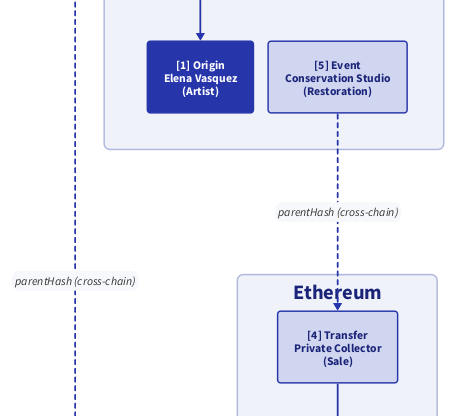
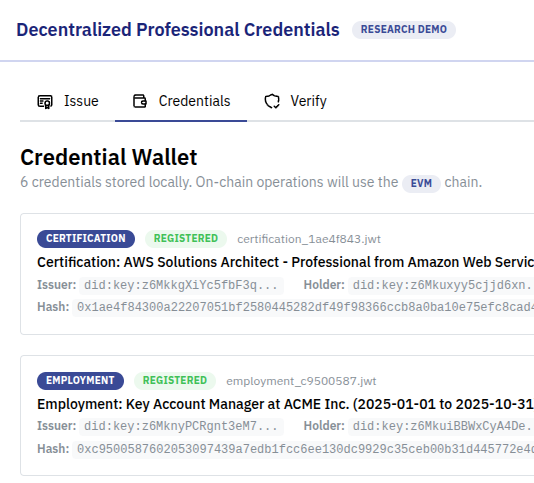
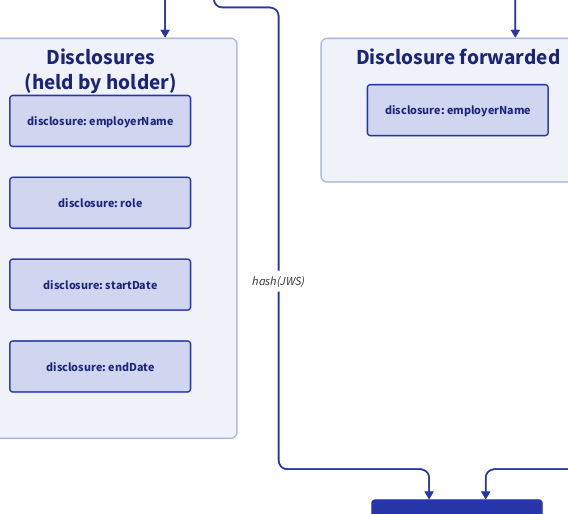
A protocol and working proof of concept for decentralized professional credentials. Issuers create cryptographically signed credentials following the W3C Verifiable Credentials Data Model v2.0. Credential content stays with the holder – no central database, no platform lock-in. SHA-256 hashes are anchored on-chain for tamper-proof verification and transparent revocation.

The protocol is implemented on two architecturally different blockchains – Ethereum (Solidity) and IOTA Rebased (Move) – to demonstrate genuine chain-agnosticism. The proof of concept includes a CLI, a web interface, and automated end-to-end scenarios for three credential types: employment history, professional certifications, and peer endorsements. The paper presents comparative results, developer experience findings, and discusses future extensions including selective disclosure.

AI-Verified Software Delivery Escrow

AI-Verified Software Delivery Escrow

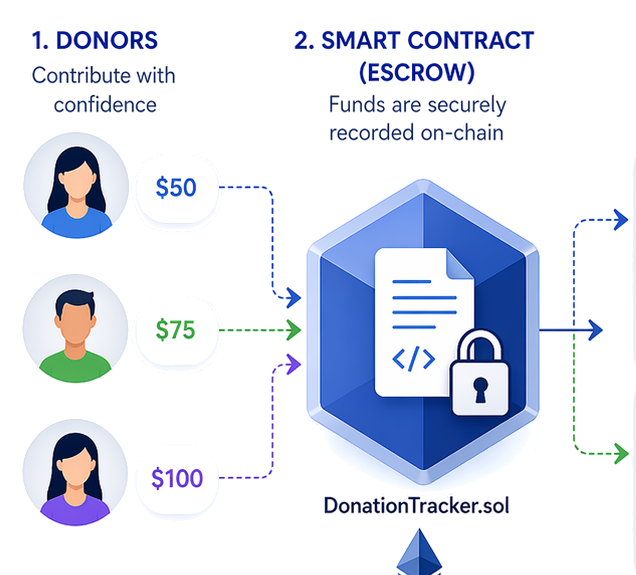
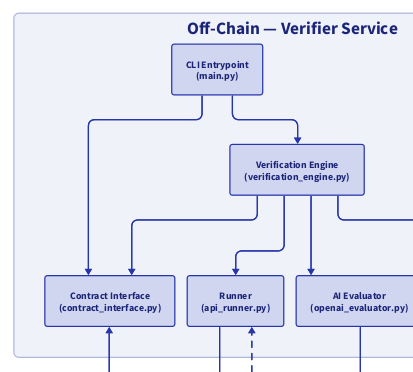
A proof of concept for using AI agents as third-party verifiers in smart contract escrow arrangements. An AI oracle evaluates software deliverables against agreed-upon requirements — building, running, and testing them in Docker — then records the result on an Ethereum blockchain.

The smart contract uses a graduated autonomy model: high-confidence passing scores trigger automatic fund release, clear failures allow resubmission, and uncertain results are escalated to a human arbiter with a detailed verification report. The paper discusses the concept, architecture, limitations, and presents results from testing with intentionally varied deliverables.